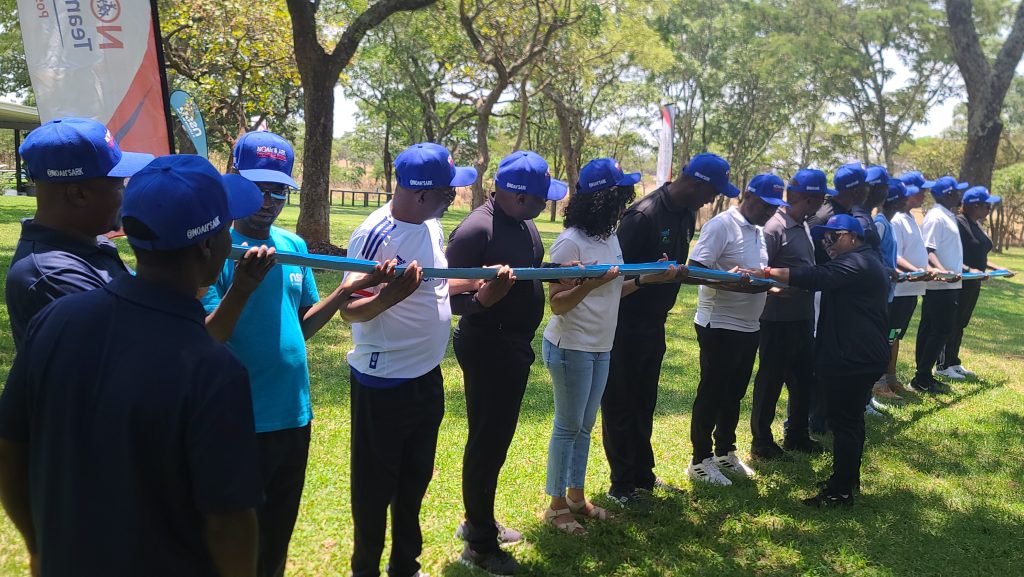
Teamwork is often perceived as a uniquely human trait, a skill honed through years of collaboration in various settings, from workplaces to community projects. However, the animal kingdom offers profound insights into the dynamics of teamwork, particularly through the lens of social species. Among these, the troop of baboons stands out as a remarkable example of cooperation, communication, and collective effort. Baboons demonstrate that teamwork transcends species and can be applied to enhance human endeavors.
The Power of Numbers
Baboons typically travel in troops that can number up to fifty individuals. This collective movement is not merely a survival strategy; it is a testament to the power of numbers in achieving common goals. In a troop, each baboon plays a role that contributes to the overall success of the group. The presence of numerous individuals enhances the chances of finding food, evading predators, and raising young.
In human contexts, this principle can be mirrored in team dynamics. Diverse groups bring together a variety of skills, perspectives, and experiences, which can lead to innovative solutions and improved outcomes. Just as baboons benefit from the strength of their numbers, human teams can leverage their collective capabilities to tackle challenges more effectively.
Vigilance and Protection
One of the most striking aspects of baboon behavior is their vigilance towards potential threats. When a troop forages for food, one or more baboons will remain on lookout duty, perched atop a tree or a high vantage point. This sentinel role is crucial; it allows the troop to remain aware of their surroundings and to respond swiftly to any signs of danger.
In the event of a threat, the lookout baboon alerts the others, enabling them to take evasive action. This behavior underscores the importance of vigilance and communication in teamwork. In human organizations, having designated roles that focus on monitoring and reporting can enhance overall safety and efficiency. Furthermore, the willingness of baboons to protect one another, even at personal risk, illustrates the value of loyalty and responsibility within a team.
Social Bonds and Cooperation
Baboons exhibit high levels of socialization, forming intricate relationships that are vital for the cohesion of the troop. When a baboon is injured or in distress, other members of the troop display concern and empathy. They may groom the injured individual, offer support, or even engage in protective behaviors to fend off threats. This strong social fabric fosters a sense of belonging and mutual care, which is essential for the survival of the group.
In human teams, fostering strong interpersonal relationships can lead to increased collaboration and morale. When team members feel valued and supported, they are more likely to contribute positively to the group’s objectives. Encouraging open communication, empathy, and mutual respect can create an environment where individuals thrive, ultimately benefiting the entire organization.
The lessons gleaned from a troop of baboons extend far beyond the animal kingdom. Their remarkable teamwork, characterized by the power of numbers, vigilance, and strong social bonds, offers valuable insights for human endeavors. By recognizing that teamwork is not solely a human trait, we can learn to appreciate the dynamics of collaboration in all forms of life.
As we strive to enhance our teamwork skills, let us draw inspiration from the baboons. By embracing the principles of collective strength, vigilance, and empathy, we can cultivate more effective and harmonious teams, ultimately leading to greater success in our personal and professional lives.
In conclusion, the study of baboon behavior provides a unique perspective on teamwork, reminding us that collaboration is a fundamental aspect of life, shared across species. By applying these lessons, we can foster a culture of cooperation that benefits all.
Noah Mangwarara is a Strategy Facilitator, Leadership, Team Building Coach and Motivational Speaker who draws inspiration from nature to drive business and leadership concepts home. He is the author of several books and articles on Leadership, Teamwork, Strategy and Motivation.